What Makes a Good Bow Hunting Backpack?
Posted by Ryan Sapena on 23rd Mar 2023
How to Choose the Best Bowhunting Backpack: Capacity, Modularity, & Durability
Updated- July 22, 2026
Key Takeaways for Bowhunters
Pack Capacity: Match capacity to trip length (3,500 cu in for 1–2 nights; 6,300 cu in for 3+ day wilderness hunts).
Modularity: Look for breakaway carry frames rated for 85+ lbs to pack out meat while keeping gear protected.
Adjustability: Prioritize customizable suspension, torso length, frame height, and load lifters for comfortable weight distribution.
Materials: Ultra200 PE offers the best balance of ultra-lightweight performance and rugged durability compared to traditional 400D/500D Cordura.
Top Pick: Seek Outside Goshawk 6300 (or Goshawk 4800 for shorter trips).
How Do You Choose the Right Hunting Backpack Capacity?
Many hunting backpacks are highly specialized for specific use cases. We at Seek Outside prefer packs that can be used effectively in many different scenarios. Fit adjustment, carry comfort, and modularity allow for exceptional hunting performance from archery to late season. The one factor that can limit you o
| Backpack Size (Cubic Inches) | Recommended Trip Duration | Ideal Use Case |
| 3,500 cu in | 1 – 2 Nights | Day hunts, quick overnighters, minimal gear |
| 6,300 cu in | 3+ Days | Deep wilderness, extended backpack hunting trips |
Why Is Pack Modularity and Load Hauling Crucial for Bowhunting?
Many bowhunters hunt various species in various regions and therefore need a pack that can handle differing terrains, climates, and pack weights. You will need a pack that can switch to a different configuration for diffe
What Functional Features Ensure Range of Motion and Comfort?
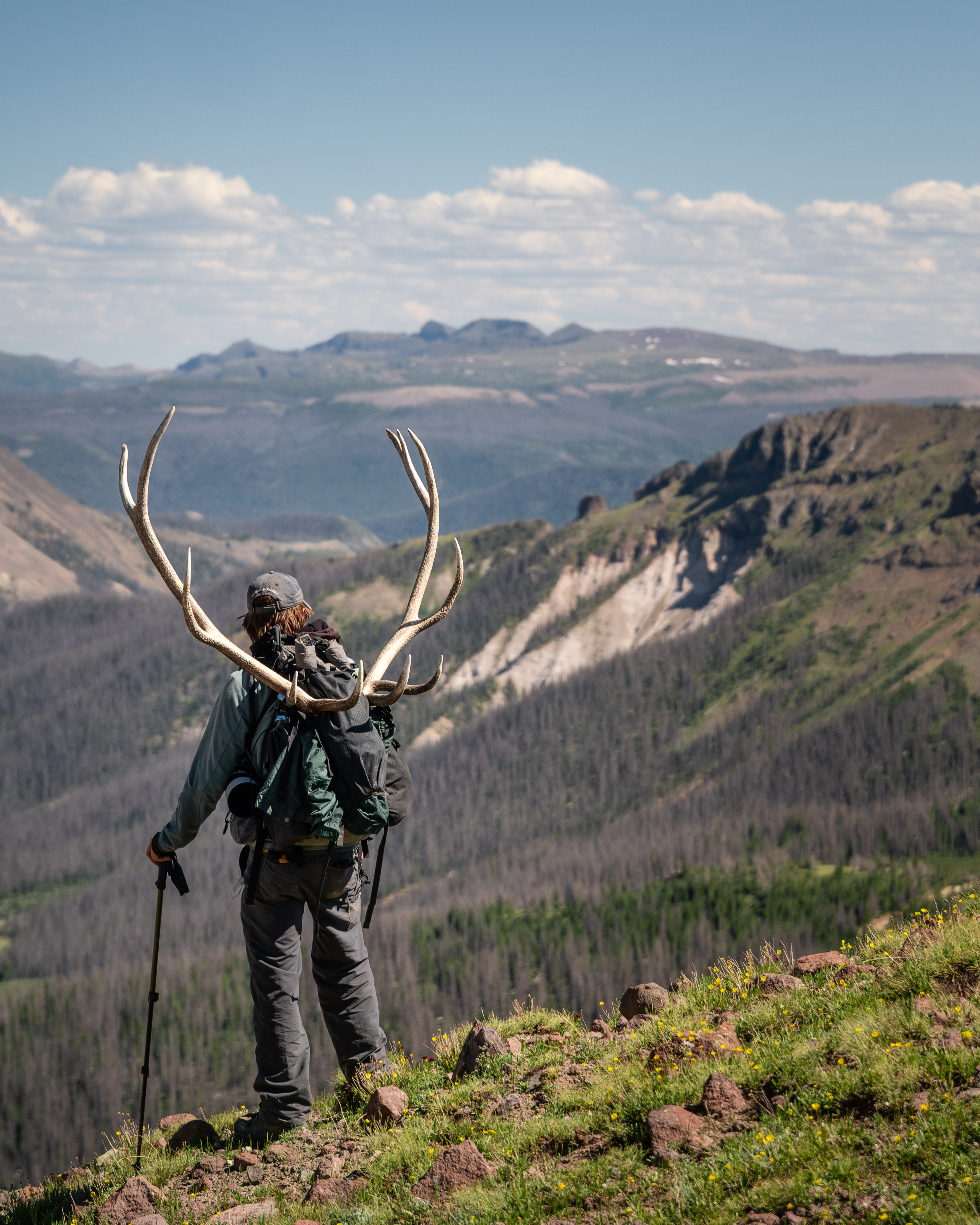
When choosing a bowhunting backpack, there are a few main functions to consider. Range of motion and comfort are crucial. An important aspect of having a good range of motion and a comfortable pack is the fit. The backpack needs to be able to be customized to your b
What Materials Make a Bowhunting Backpack Durable?
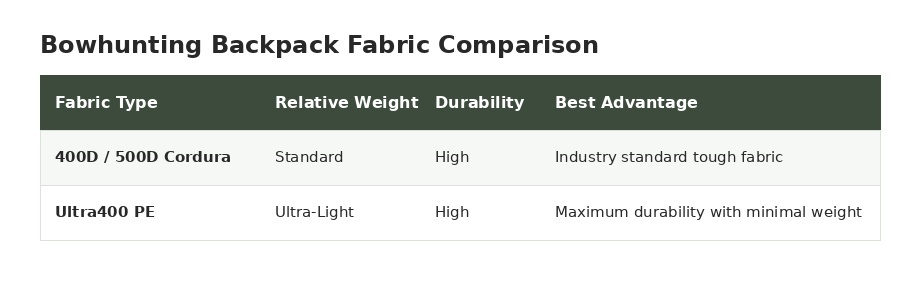
When choosing a backpack, durability should be a top consideration that you do not want to compromise on. In general, the adage "you get what you pay for" applies to this factor. Opt for heavy-duty materials
How Do You Minimize Backpack Noise While Bowhunting?
As a bow hunter, you understand the importance of remaining undetected while out in the field. However, one aspect that is often overlooked is the noise generated by your backpack. Whether it's the sound of zippers or fabric hitting brush and branches, backpack noise can be enough to alert game animals and cause t
What Is the Recommended Bowhunting Backpack?
My favorite backpack for bow hunting is the Goshawk 6300 with an Ultragrid talon. This is a pack that has plenty of space, compression options, and functionality for bow hunting trips. The side zipper allows for easy access to the bottom o
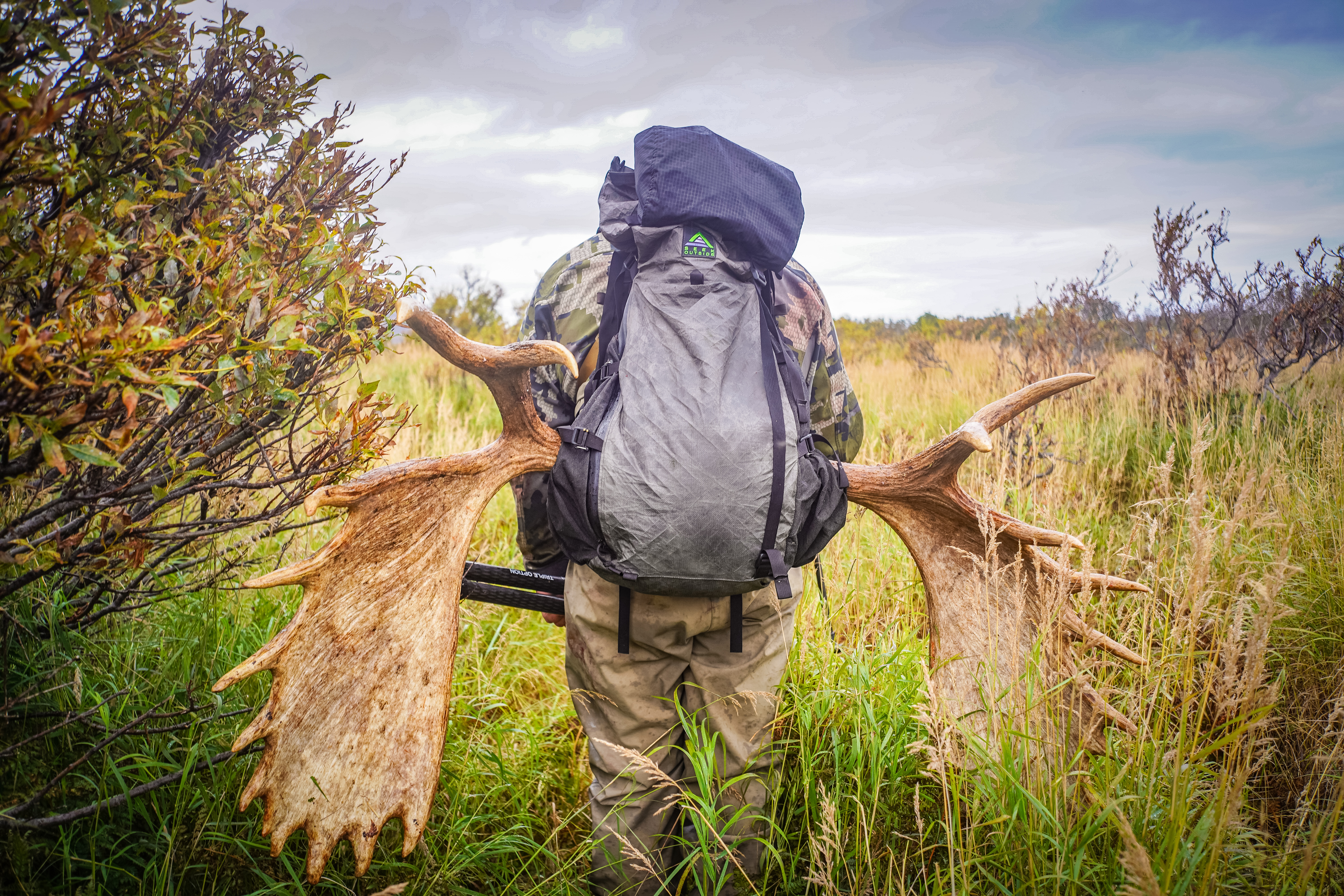
Author- Ryan Sapena who has enjoy bowhunting since the age of 15 and has hunted all over the western U.S. and Alaska
…